The electronic components industry is undergoing rapid transformation as technology evolves. As we look ahead, several key trends are shaping its future development while also presenting various challenges.
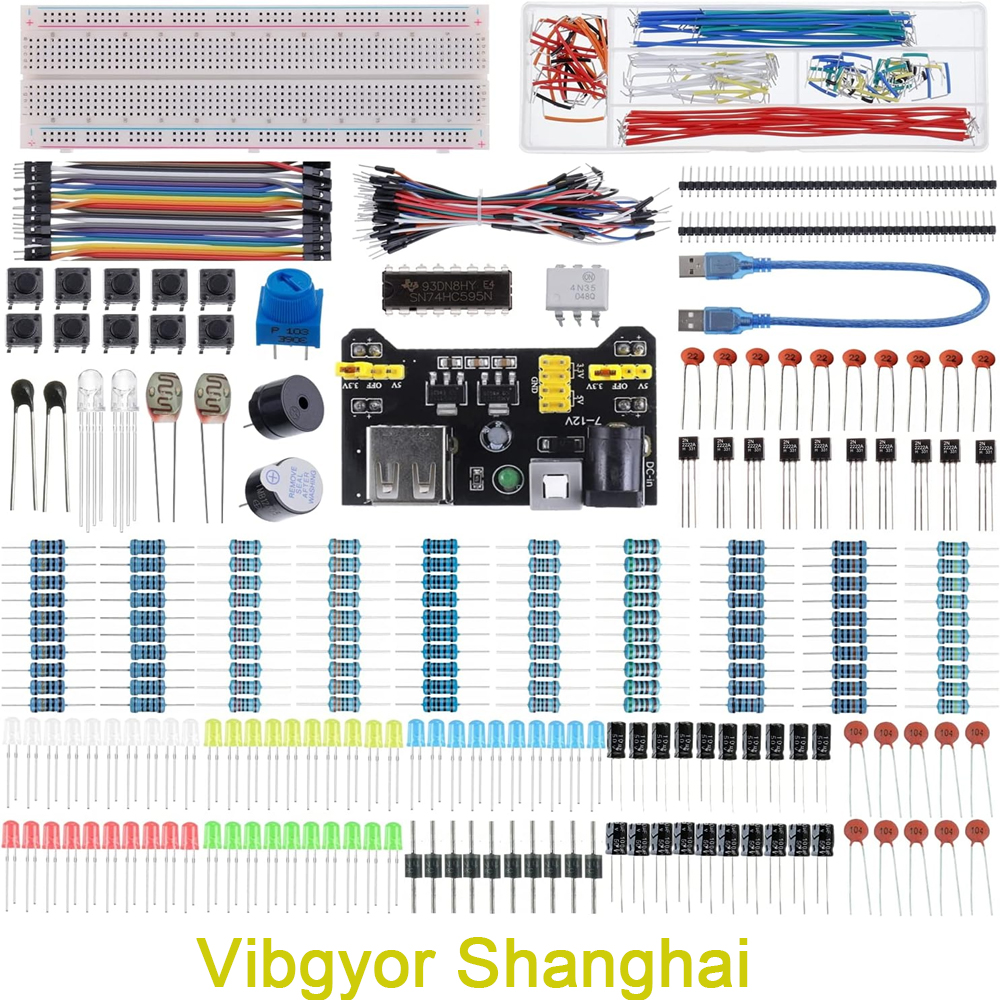
Electronic Components
Electronic Components Key Development Trends
One prominent trend is the increasing demand for miniaturization. As electronic devices become smaller and more portable, manufacturers are innovating to produce compact components without sacrificing performance. This trend drives advancements in materials and manufacturing techniques, leading to more efficient devices that meet consumer needs.
Another significant development is the rise of automation and smart manufacturing. Companies are investing in automation technologies to streamline production processes, reduce costs, and enhance precision. By leveraging robotics and artificial intelligence, manufacturers can improve efficiency and respond quickly to market changes.
Additionally, sustainability is becoming a central focus in the industry. Consumers and regulators alike are demanding eco-friendly practices, prompting companies to adopt sustainable materials and energy-efficient production methods. Organizations that embrace green initiatives not only meet regulatory requirements but also enhance their brand reputation.
The Internet of Things (IoT) is another trend reshaping the electronic components sector. As more devices connect to the internet, the need for reliable and high-performance components grows. This interconnectedness opens up new opportunities for companies to innovate and expand their product offerings.
Electronic Components Industry Barriers
Despite these promising trends, the electronic components industry faces several barriers. One significant challenge is the supply chain complexity. Disruptions, such as those caused by the COVID-19 pandemic, have highlighted the vulnerabilities in global supply chains. Companies must focus on building resilient supply chains to mitigate risks and ensure a steady flow of materials.
Another barrier is the rapid pace of technological change. While innovation is essential, it can overwhelm companies that aren’t prepared to adapt quickly. Organizations need to invest in research and development to stay ahead of the competition and respond effectively to market demands.
Additionally, regulatory compliance poses challenges for many businesses. The industry’s global nature means companies must navigate diverse regulations across regions. Staying compliant can be resource-intensive and may slow down product development cycles.
Conclusion
In conclusion, the electronic components industry is poised for significant growth driven by miniaturization, automation, sustainability, and the rise of IoT. While these trends present exciting opportunities, companies must also address challenges such as supply chain complexities, rapid technological advancements, and regulatory demands. By strategically navigating these barriers, organizations can position themselves for success in the evolving landscape of the electronic components industry.