This video is a training material on soldering skills. It covers the following topics:
1: Soldering Basics
- Soldering Technology – Learn about the principles of soldering, including the role of soldering time and temperature, soldering techniques, and quality standards for solder joints.
- Basic Soldering Knowledge – Get an overview of soldering process and its key aspects.
- Conditions for Soldering – Understand the necessary conditions for successful soldering, including the properties of the material, surface cleanliness, use of flux, appropriate temperature, and optimal soldering time.
- Solder Joint Standards – Learn about the criteria for acceptable solder joints, including mechanical strength, electrical conductivity, and appearance.
2: Soldering Tools and Techniques
- Soldering Tools – Learn about the different types of soldering irons and their components.
- Soldering Iron Temperature Control – Learn how to properly adjust and monitor the temperature of a soldering iron.
- Manual Soldering Process – Learn about the different techniques used for preparing components for soldering, including forming component leads, component insertion methods (vertical and horizontal), proper handling of soldering irons, and soldering wire techniques.
3: Soldering Methods
- Five-Step Soldering Method – Learn about the five-step soldering method, which is a widely used technique for achieving quality solder joints.
- Solder Joint Quality Inspection – Learn about the different methods used to inspect solder joint quality, including visual inspection, tactile inspection, and magnification techniques.
- Soldering Techniques for Surface Mount Components – Learn about the specialized soldering techniques used for soldering surface mount components.
This document includes pictures and illustrations to enhance understanding.
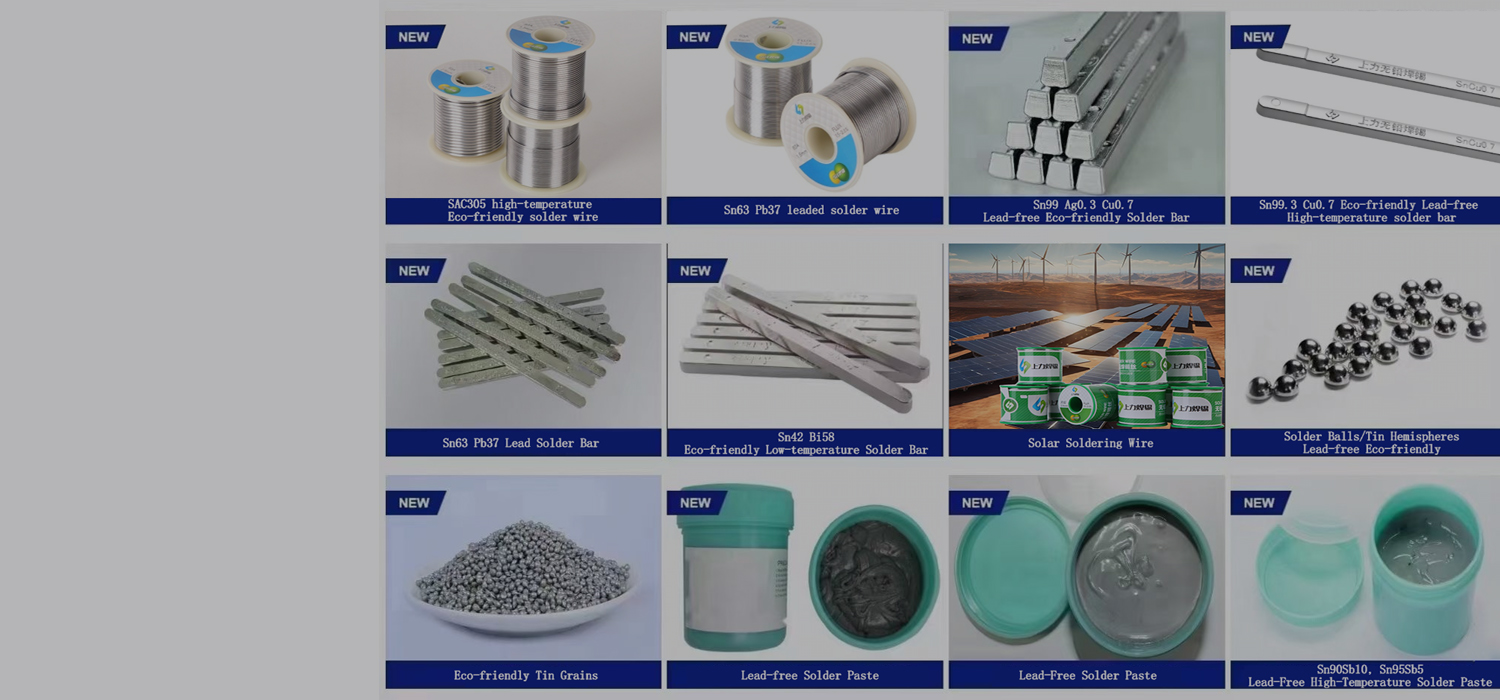
Classification of Solder Products
Solder products play a crucial role in various applications within the electronics and manufacturing industries. They come in different types, each designed to meet specific needs and preferences. Here’s a detailed classification of solder products:
1. Solder Wire
First, solder wire consists of a metal alloy, usually made from tin and lead or lead-free materials. This type is widely used in manual soldering and comes in various diameters and compositions. For example, lead-based solder wire contains lead and offers excellent electrical conductivity; conversely, lead-free solder wire, such as Sn-Cu and Sn-Ag-Cu alloys, complies with modern regulations.
2. Solder Paste
Next, solder paste is a mixture of powdered solder metal and flux, primarily used in surface-mount technology (SMT). This product also comes in different compositions, enabling high-precision applications. Notably, no-clean solder paste leaves minimal residue and eliminates the need for cleaning after soldering. In contrast, water-soluble solder paste requires cleaning post-soldering to remove flux residues.
3. Solder Balls
Additionally, solder balls represent another significant category, consisting of small spheres of solder predominantly used in ball grid array (BGA) packaging. These solder balls facilitate connections between components and circuit boards. You will find both lead-free solder balls made from alloys like SAC305 and traditional lead-based solder balls in this category.
4. Solder Bars
Moreover, solder bars are solid forms of solder typically used in wave soldering processes. These bars come in various alloys and specifications. For instance, the popular Sn63/Pb37 solder bar provides a common lead-based option, while lead-free solder bars often include tin-copper or tin-silver alloys.
5. Solder Flux
Furthermore, solder flux acts as a chemical cleaning agent that removes oxidation and enhances the wetting properties of solder. This category includes rosin flux, which is derived from natural sources and is widely used in electronics. Additionally, water-soluble flux requires cleanup after use. On the other hand, no-clean flux is specifically designed to remain without cleanup after soldering.
6. Soldering Wire and Rods
Lastly, soldering wires and rods primarily serve as tools for welding and metal joining. These products come in various alloys tailored for specific applications in industries such as plumbing and automotive.
Conclusion
In summary, each type of solder product serves a unique purpose and meets the specific requirements of different applications. By understanding these classifications, manufacturers and technicians can choose the appropriate solder for their projects. Ultimately, this understanding ensures optimal performance and reliability in their work. Therefore, the right solder product can make a significant difference in achieving successful results.
Would you like to learn more information? Our website features hundreds of articles for you to explore.
Contact us by
Vivian Huang
General Manager—VIBGYOR
SHANGHAI VIBGYOR INDUSTRIAL CO,.LTD
WeChat: +86 150 2685 9051
WhatsApp : +86 150 2685 9051