
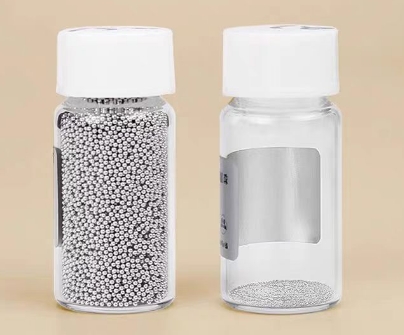
Solder Ball Performance
Solder ball have various applications in the electronics manufacturing and soldering industries. Here are some of the main application areas:
Connection of Electronic Components: Solder ball are commonly used to connect electronic components to printed circuit boards (PCBs), especially in Surface Mount Technology (SMT). They form a strong electrical connection through soldering.
Flip Chip Technology: In flip chip packaging, solder balls are used to attach the chip to the substrate. This method can reduce the signal transmission path and enhance electrical performance.
Ball Grid Array (BGA) Packaging: Solder ball are an integral part of BGA packaging, providing electrical connections and mechanical support, making them essential for modern high-performance electronic devices.
Thermal Management: Solder balls can also be used for mounting heat sinks, helping to transfer heat away from electronic components to ensure stable operation.
Repair and Rework: Solder balls are useful in the repair and rework of electronic components, allowing for the re-soldering or reconnection of components to the circuit board through heating.
Precision Instruments: In demanding fields such as medical devices and aerospace, solder balls are used to ensure high-reliability connections.
Microelectronics Manufacturing: The use of solder balls is increasing in microelectronics and nanotechnology for high-density wiring and connections in miniaturized electronic components.
Connectors: Solder balls provide stable contact and connection in various types of connectors, ensuring the normal operation of electronic devices.
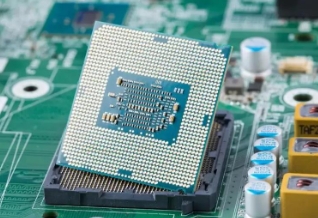
Solder Ball Application
Evaluating the quality of solder ball processing is essential to ensure reliable electronic connections. Several indicators can help determine whether solder balls have been processed effectively.
First, uniformity in size and shape is crucial. High-quality solder balls should have a consistent diameter, typically measured using specialized equipment. This uniformity ensures proper melting and flow during the soldering process.
Second, surface appearance plays a significant role. Well-processed solder balls should exhibit a smooth, shiny surface without oxidation or defects. Dull or rough surfaces might indicate issues in the processing stage, impacting the quality of the solder joint.
Third, the mechanical strength of the solder joints formed during reflow should be assessed. Conducting pull tests can help determine the adhesion strength between the solder balls and the substrate. Higher pull strength indicates better processing quality.
Lastly, reliability testing under various thermal and mechanical conditions helps validate the performance of solder balls in real-world applications. By considering these factors, manufacturers can ensure that solder balls meet the necessary standards for optimal performance in electronics.
Production process analysis
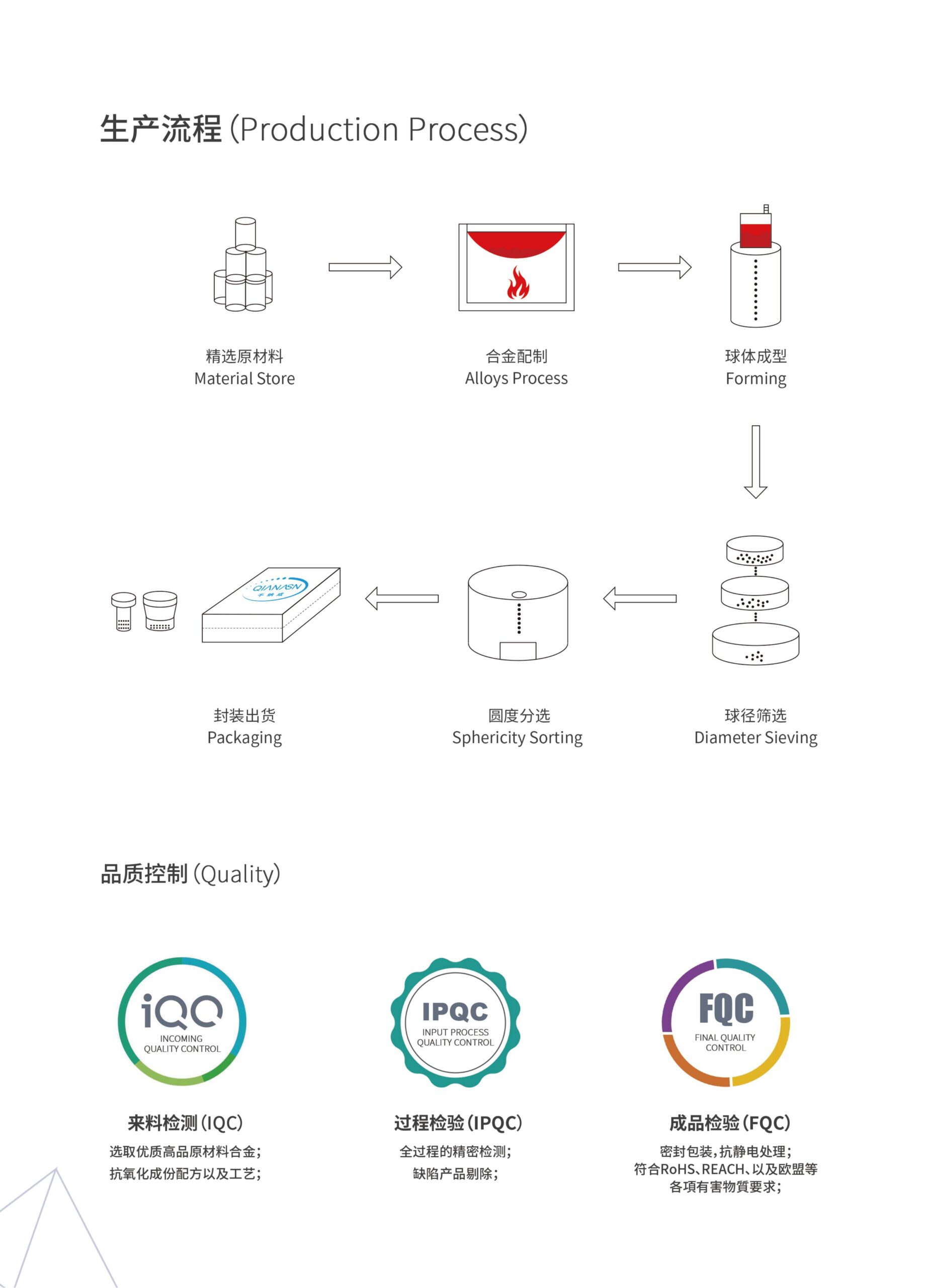
The production of solder balls plays a vital role in the electronics industry, as these small components ensure reliable connections in various electronic devices. Analyzing the solder ball production process enables manufacturers to optimize quality, efficiency, and performance.
The process begins with selecting high-quality raw materials, including tin and other alloying elements. Manufacturers melt and alloy these materials in precise proportions to create solder that meets specific industry standards.
Next, they form solder balls by dropping molten solder into water or using specialized machinery to create uniform spheres. Consistent size and shape are crucial because they ensure that solder balls perform effectively during application.
After forming, the process involves cooling the solder balls to allow them to solidify and maintain their shape. Manufacturers implement quality control measures, including visual inspections and size measurements, to ensure the solder balls meet rigorous standards for diameter and surface quality.
Additionally, solder balls may undergo surface treatments to enhance their performance, such as coating with flux to improve wettability. This step is particularly important because it ensures optimal bonding during the soldering process.
Finally, manufacturers package and label the solder balls for distribution. Effective packaging prevents contamination and damage, maintaining product integrity until it reaches the customer.
In summary, by analyzing the solder ball production process and examining each stage—from raw material selection and alloying to ball formation and quality control—manufacturers can produce high-quality solder balls that meet the demands of modern electronics while ensuring efficiency and reliability in their operations.
Contact us
Yours Sincerely,
Vivian Huang
General Manager—VIBGYOR
SHANGHAI VIBGYOR INDUSTRIAL CO,.LTD
WeChat: +86 150 2685 9051
WhatsApp : +86 150 2685 9051
Soldering & Lighting Factory Shanghai Vibgyor –We help Photoelectric manufacturing plant to obtain the best materials as quickly as possible.